
“Growth itself contains the germ of happiness.” -Pearl S. Buck
I have been trained in Basic and Advanced ART (Accelerated Resolution Therapy), and typically use it along with some IFS “parts” work to help clients move beyond difficult experiences, beliefs, patterns, and/or feelings. I have been amazed at how effective it has been for my clients, helping to resolve issues that have been problematic for a long time, and it’s very exciting to see this happen for people. There is tremendous power in releasing old “stuff” that we humans tend to hold onto, and it is far more effective than traditional talk therapy, which can sometimes keep people focused on the problem. It can actually be quite a dramatic shift, even for longstanding issues! In a way, ART is like a brain reboot because it helps create new neural pathways, and very quickly. It has wide-ranging use, including trauma, phobia, anxiety, depression, addictions, ADHD, poor self-image, physical issues (pain, stroke, dyslexia). Below is more specific information about ART and EMDR.

Understanding ART
Accelerated Resolution Therapy®(ART) is a brief, structured form of psychotherapy that helps people process distressing memories and symptoms by changing how those memories are stored in the brain. ART removes triggers by erasing negative images from view. ART uses guided eye movements and visualization techniques to reduce emotional and physical reactions to past experiences while allowing you to stay fully in control. Many clients report significant relief in just a few sessions.
What to Expect
ART sessions are typically 60-75 minutes and follow a step-by-step process guided by a trained clinician. The therapist will guide you through visualization and gentle eye movements to help your brain reprocess distressing images or sensations safely and effectively.
How ART Helps
Clinical studies have shown ART to be effective for trauma-related symptoms, anxiety, depression, grief, phobias, and more. It may be especially useful for those who have not experienced relief from other therapies, such as Cognitive Processing Therapy or Prolonged Exposure.
Key Benefits
• Brief and focused – many clients experience relief within one session
• No detailed retelling of trauma is required, making it easier for both therapist and client
• Clients remain in control throughout the session
• Can address a wide range of emotional and physical symptoms
• Evidence-based and trauma-informed
Learn More
To learn more about ART, visit the official website at http://www.acceleratedresolutiontherapy.com for educational videos, research summaries, and training information.
Information about studies on ART: https://acceleratedresolutiontherapy.com/evidence-based/
Accelerated Resolution Therapy® and ART® are registered service marks of the Rosenzweig Center for Rapid Recovery (RCRR), used with permission.
EMDR (Eye Movement Desensitization and Reprocessing)
EMDR is a powerful method of psychotherapy that integrates many recognized approaches such as Cognitive-Behavioral therapy, Ericksonian Hypnotherapy, brief therapy, family systems theory, and psychodynamic therapy into a comprehensive and systematic approach that tends to be much deeper and quicker in helping individuals work through issues than traditional “talk therapy.”
I was trained in both EMDR Part 1 & 2 in 2008. When using EMDR, I incorporate Internal Family Systems into the work and find this an effective combination.
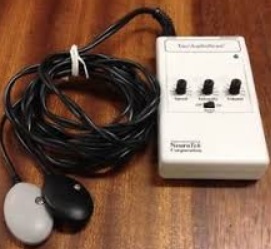
EMDR utilizes bilateral stimulation (through eye movements, tactile or auditory stimulation) to facilitate the reprocessing of memories, emotions, and negative beliefs that can become “stuck.” For example, most people have at least a few negative cognitions that keep them from living the life they want, or having the relationships they desire (beliefs such as “I’m not good enough” or “I’m not lovable”). Experiences of being “triggered” in various situations or interactions can be effectively addressed through EMDR. EMDR helps gets to core issues and allows for a re-examination of past situations, feelings, and thoughts in a profound way that might not otherwise be possible.
Additional information about EMDR can be found on the following website: http://emdria.org
Information about studies on EMDR: http://www.emdr.com/studies.htm
 Laura Nufire, MSW, RSW